Put a Scottish oat scone and an English cream scone side by side and the family resemblance is faint. One is dark, craggy and a little chewy, with a toasted grain flavour that stands up to cheese. The other is pale, tall and tender, built to be split and piled with clotted cream and jam. Both are called scones. Both are good. They simply come from different kitchens, different flour bins and different ways of taking tea.
That difference is not just a matter of recipe. It is a matter of landscape, history and expectation. In one tradition, the scone is an everyday bread that happens to sit on a tea plate. In the other, it is a tea-table delicacy that happens to be made from a simple dough. Once you understand that, the ingredients, the mixing and even the way you eat them start to make sense.
What Each Tradition Actually Means
In Scotland, "scone" is a broad word: soda scones, treacle scones, potato scones for the frying pan, and the oat-based rounds this article is about. Those sit close to oatcakes and bannocks on the family tree, and older versions were cooked on a girdle over the fire rather than baked in an oven. Oatmeal was the everyday grain in much of Scotland, because oats grew where wheat struggled, so the scone adapted to what was in the meal chest. A Scottish oat scone can be a breakfast bread, a soup companion or something to carry in a pocket for later. It is not usually a showpiece. It is food that works.
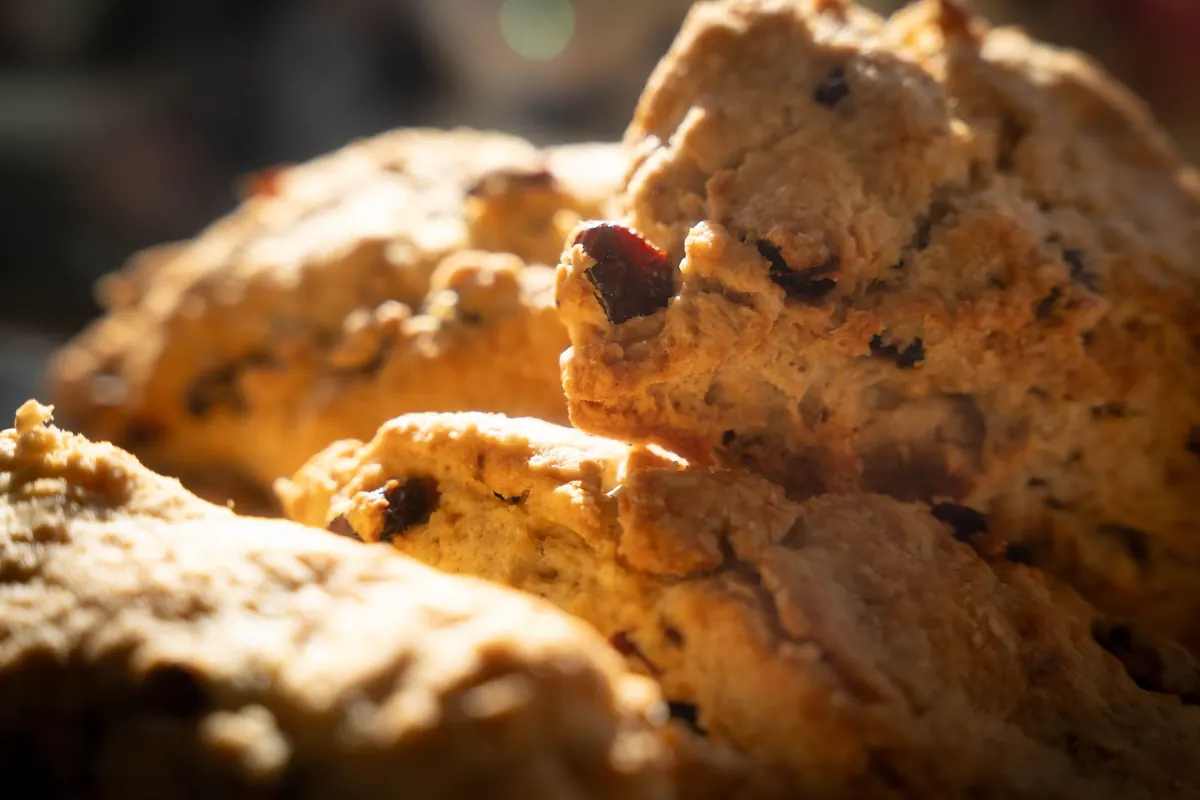
That also explains why Scottish oat scones are often flatter and more rustic than their English cousins. They may be cut into rounds, farls or wedges, and they can be soft enough to eat straight from the girdle or firm enough to toast the next day. Some recipes are almost all oats; others add a little wheat flour to hold things together. The result is a scone with a chewier bite and a nutty, slightly earthy flavour that does not disappear under a spoonful of jam.
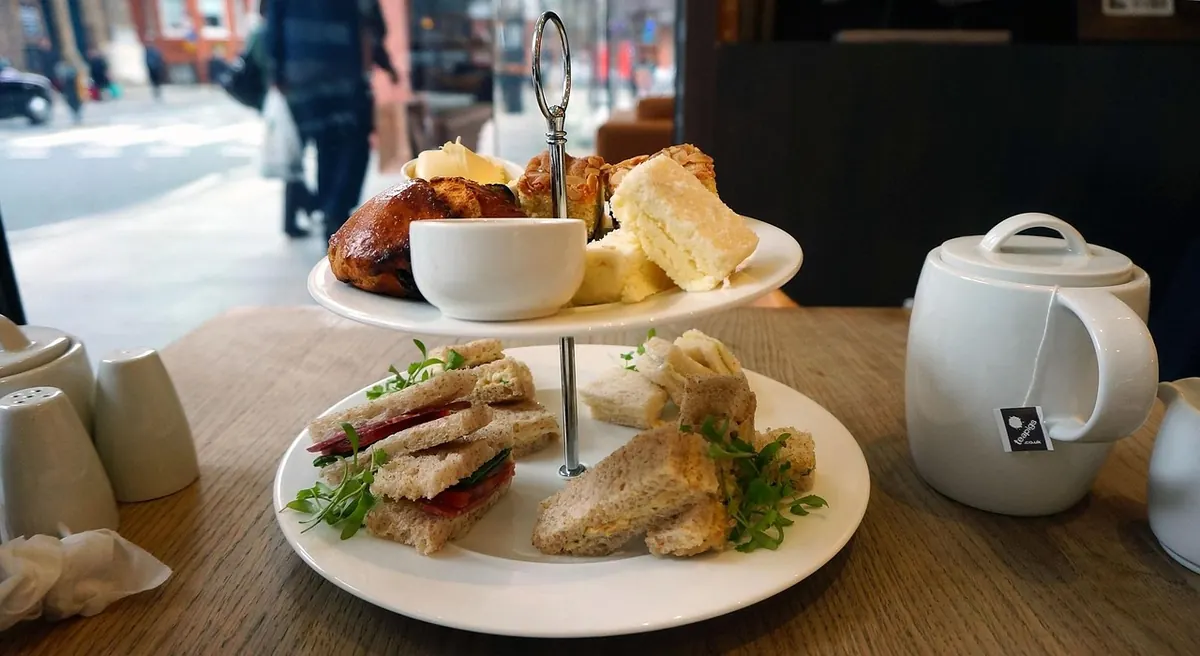
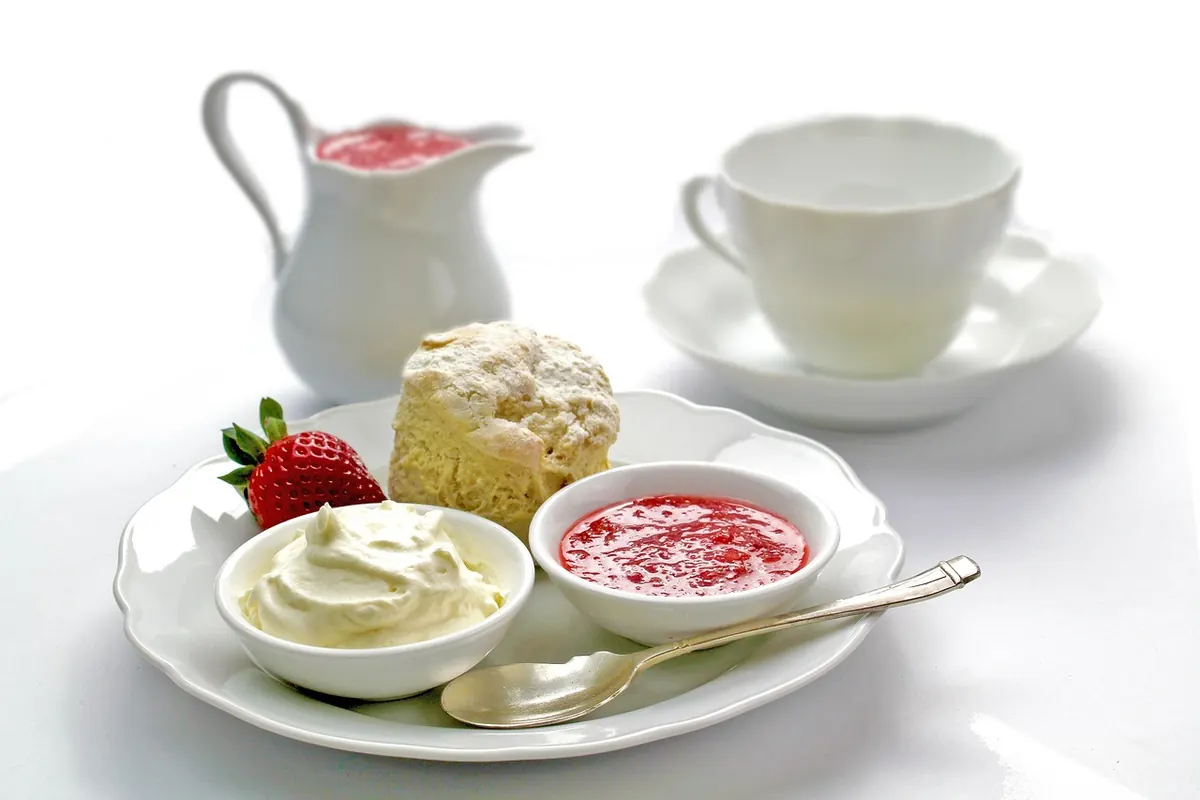
The English cream scone belongs to the afternoon tea table: a soft wheat-flour scone raised with baking powder rather than yeast, enriched with butter and milk or cream, and served with clotted cream and jam. The word "cream" in the name refers mainly to what goes on top, though plenty of recipes also put cream in the dough — and it makes a shorter, richer crumb when they do. The classic version is plain or dotted with currants or sultanas. It is designed to be split, not sliced, and its job is to be a tender, buttery platform for cream and jam.
This is also where the famous Devon and Cornwall argument begins. In Devon, many people put cream on first, then jam. In Cornwall, many people put jam on first, then cream. Both sides are certain. The one thing they agree on is that the scone itself should be fresh, light and not too sweet.
The Ingredient Split
The two doughs are built on different foundations, and everything else follows.
Scottish oat scones
- Oatmeal — medium or fine, sometimes a mix of pinhead oats and rolled oats pulsed in a blender. The coarser the oats, the more rugged the texture.
- Buttermilk, sour milk or thin yoghurt to bring it together. The acidity helps with lift when bicarbonate of soda is used.
- Butter, lard or dripping; some older recipes use very little fat at all. Fat adds tenderness, but too much can make an oat scone heavy.
- Bicarbonate of soda with cream of tartar, or a little baking powder. Traditional girdle scones often rely on soda and acid rather than a big bakery-style rise.
- Salt, and only a modest amount of sugar if any. Sugar is there to round the edges, not to make a cake.
- Optional extras: currants, a spoonful of treacle, grated cheese, chopped herbs, seeds or a pinch of spice.
- Sometimes a little plain or self-raising flour to bind, especially in modern recipes that want a softer crumb.
English cream scones
- Soft plain or self-raising flour with extra baking powder. Low-protein flour keeps the crumb tender rather than tough.
- Cold unsalted butter, cubed or grated. Cold fat creates steam and flakes during baking.
- Milk, cream or buttermilk — richer liquid, shorter crumb. Buttermilk adds tang; cream adds richness.
- Caster sugar and a pinch of salt. The sugar is usually modest, because the toppings are sweet.
- Sometimes an egg for glaze, or a little egg in the dough for extra richness and colour.
- Optional extras: currants, sultanas, lemon zest, vanilla, glacé cherries or a handful of chocolate chips in modern versions.
- An egg wash or a brushing of milk for a glossy, golden top.
How They’re Made: Method and Texture
Scottish Oat Scones: Girdle, Oven or Both
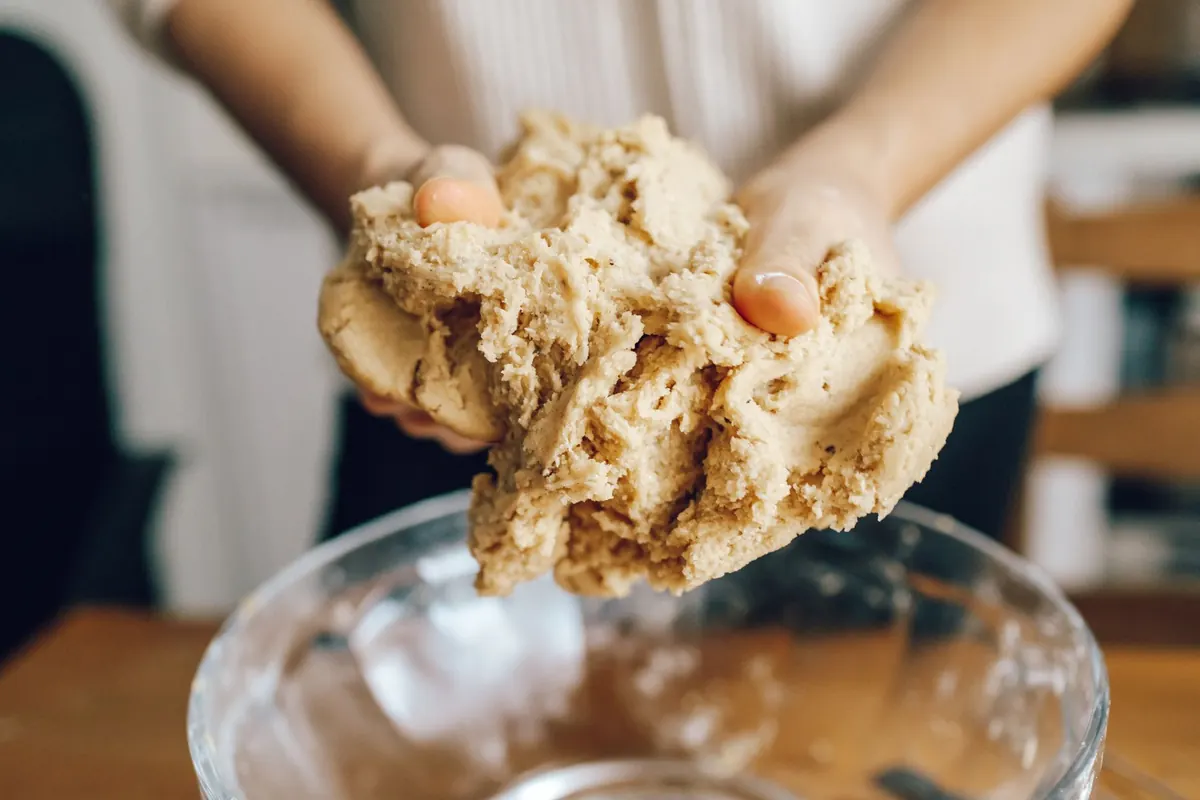
To make oat scones, you usually rub the fat into the dry ingredients, add the liquid and bring everything to a soft, slightly sticky dough. Oats need a little time to absorb liquid, so many bakers let the dough rest for ten or fifteen minutes before shaping. That rest makes a big difference: without it, the scones can be dry and crumbly; with it, they are tender but still sturdy.
Traditional Scottish oat scones were cooked on a girdle, which is a flat iron griddle. You shape the dough into a round, cut it into farls or wedges, and cook them on a lightly floured girdle until the surfaces are dry and the edges are toasted. If you bake them in an oven, they come out a little more even and slightly crisper. Either way, the texture is dense, chewy and substantial. They do not rise into tall towers. They are not supposed to.
English Cream Scones: Cold Butter, Hot Oven
English cream scones are all about speed and a light hand. You rub cold butter into the flour until it looks like coarse breadcrumbs, stir in sugar and any dried fruit, then add the liquid and mix just until the dough holds together. Overworking the dough develops gluten, and gluten makes scones tough. The best cream scones are handled as little as possible.
You pat the dough into a round, cut it into rounds with a sharp cutter, and place them close together on a baking tray. The close spacing helps them climb. A hot oven — often around 220°C or 425°F — gives a fast rise and a golden top. The result is tall, tender and layerable, with a soft interior that pulls apart into buttery flakes. An egg wash makes them shine; a sprinkle of sugar makes them sparkle.
How to Serve Them
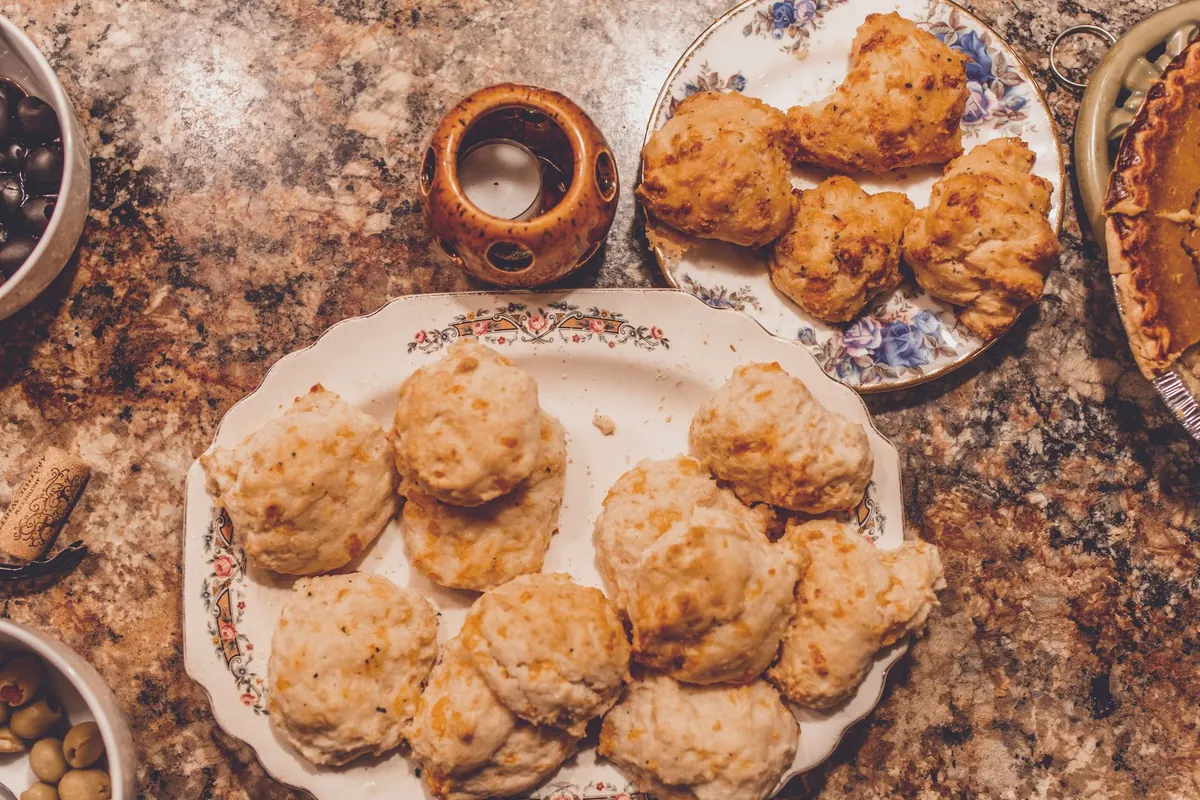
Scottish oat scones are flexible. Split them, toast them, and spread with butter, crowdie, cheddar, marmalade, honey or jam. They are excellent with smoked salmon, a bowl of soup or a strong cup of tea. Because they are not very sweet, they can go savoury without tasting odd. A cheese and herb oat scone is a particularly good lunchbox item.
English cream scones are more specialised. They want clotted cream and jam, preferably strawberry or raspberry. A plain scone with butter and lemon curd is also lovely. Savoury versions exist — cheese scones are their own tradition — but the classic cream scone is a sweet tea-table treat. If you are serving them, warm them briefly, split them with your hands rather than a knife, and let everyone argue about cream versus jam in the correct order.
How to Tell Them Apart at a Glance
- Colour: oat scones are darker, beige-brown or grey with toasted edges; cream scones are pale gold.
- Shape: oat scones are flatter, often round or cut into farls; cream scones are taller and usually round.
- Crumb: oat scones are dense, chewy and slightly crumbly; cream scones are light, tender and flaky.
- Flavour: oat scones taste nutty, earthy and only lightly sweet; cream scones taste buttery, mild and softly sweet.
- Best partner: oat scones with butter, cheese, jam or soup; cream s
Photo: Holgi / Pixabay