A scone recipe is less a set of rules than a set of tolerances. Flour, fat, leavening, and enough liquid to bring the dough together — that's the frame. The fruit you fold in is the part that can change every few months without relearning anything.
The catch: fruit carries its own water, sugar, and acidity into the bowl, so a swap is never quite one-for-one. Get the liquid right and you can bake rhubarb scones in April and pear-ginger scones in November from the same page of your notes.
The Liquid Math Comes First
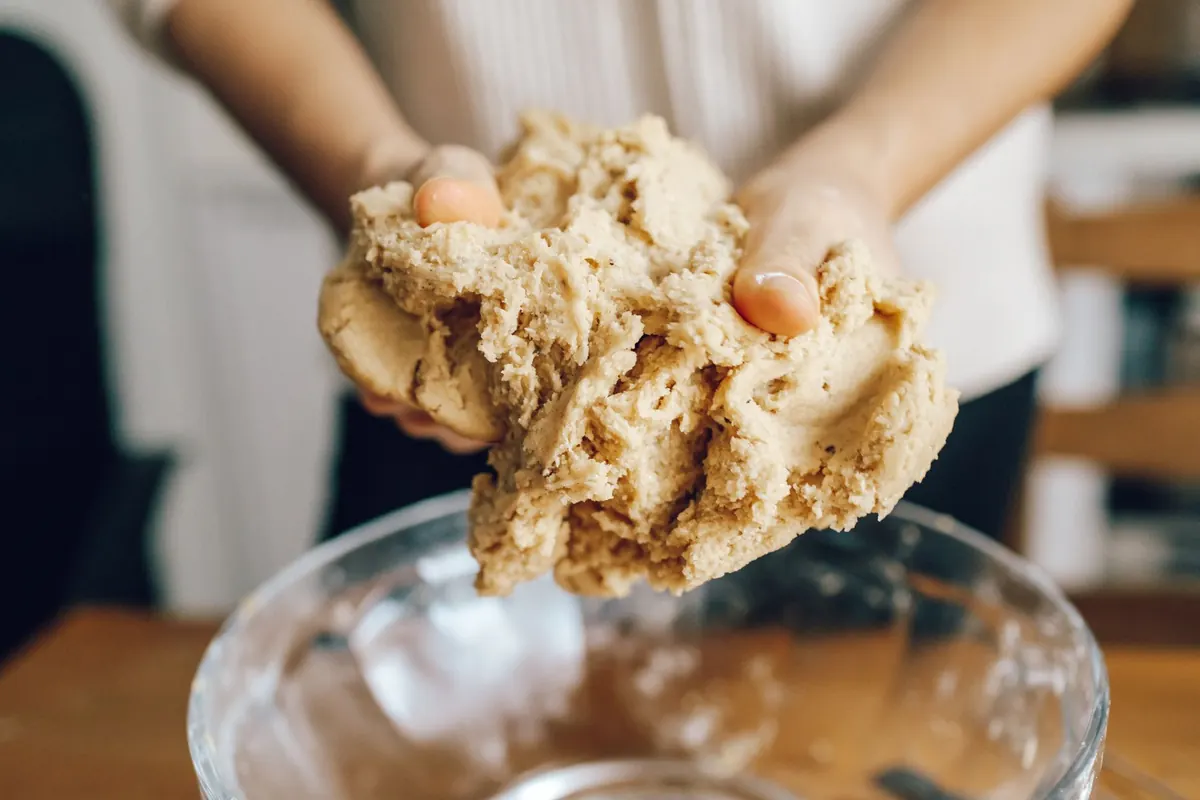
Whatever fruit you choose, the dough should look shaggy and hold together when you squeeze a handful. If it turns into a smooth, tacky ball, the fruit has added more water than your recipe expected, and the scones will spread before they rise.
A few adjustments cover almost every case:
- Juicy fruit — fresh berries, grated apple, peaches. Start with 1 to 2 tablespoons less liquid than the recipe calls for, then add the rest only if the dough won't come together.
- Dried fruit — cranberries, apricots, figs, raisins. Add 1 to 2 tablespoons of extra liquid, and plump the fruit first in hot water, tea, or juice for ten minutes. Drain well and pat dry.
- Frozen fruit. Don't thaw it. Toss the frozen pieces in a spoonful of flour, fold them in last, and work quickly. The cold dough helps the scones hold their shape.
- Any fruit that weeps. Toss it with a tablespoon of sugar in a strainer, let it sit for 15 minutes, then use only the drained fruit. The collected syrup makes a good glaze.
Keep the total amount of fruit to roughly a cup per two cups of flour. More than that and you're baking fruit with a scone attached.
Spring: Rhubarb, Berries, and a Little Restraint
Rhubarb is the season's best scone fruit and the wettest. Dice it into pieces no bigger than a pea — larger chunks stay stringy — then toss with sugar, drain, and pat dry. Orange zest or a spoonful of grated fresh ginger keeps it from tasting flat.
Strawberries need similar care: hull, slice, and lay them on paper towels for a few minutes before folding them in. Raspberries are too fragile to stir, so freeze them for half an hour first and they'll hold their shape. A handful of freeze-dried berries crushed into the flour gives color and flavor without adding any water at all.
Summer: Stone Fruit Needs a Little Help
Peaches, nectarines, plums, apricots, cherries. All delicious, all watery when raw. Two ways around that:
Roast it
Halve and pit the fruit, roast cut-side up at 200°C / 400°F for 15 to 20 minutes until the edges caramelize, cool completely, then chop. Roasting drives off water and concentrates the sugar, so you can fold in the same amount with no liquid adjustment.
Or go dried
Chopped dried apricots or cherries, plumped and drained, give you summer flavor with winter behavior in the bowl. Add back a tablespoon of milk or cream.
Fresh cherries work if you halve, pit, and drain them on towels. Frozen cherries go in straight from the freezer. Blueberries behave best frozen; fresh ones burst and bleed through the dough.
Fall: Apples, Pears, and Cranberries
Apple and pear are the two fall fruits most likely to ruin a batch, because both shed water in the oven.
For apples, grate them coarsely and wring the shreds in a clean towel. Save the juice and reduce it on the stove for a glaze. A cup of loosely packed grated apple replaces about a cup of chopped fruit and needs 1 to 2 tablespoons less liquid. Cinnamon, nutmeg, and a little brown sugar in place of white suit them.
Pears are softer and wetter. Choose firm Bosc or Bartlett, dice small, and sauté in a knob of butter for five minutes to dry them out before they meet the dough. Ginger, cardamom, and almond extract flatter pears more than cinnamon does.
Fresh cranberries need chopping fine and a heavier hand with sugar — a third more than you'd use for berries — plus orange zest to soften their edge. Dried cranberries are easier and more consistent.
Winter: Citrus, Dried Fruit, and Frozen Berries
Winter is when the fruit aisle is at its weakest and the pantry is at its strongest. Zest is your best tool: two to three teaspoons of lemon, orange, or grapefruit zest rubbed into the sugar before you work in the butter releases oils that taste brighter than juice. If you do use juice, swap it for an equal amount of the milk or cream and expect a slightly tighter crumb.
Dried figs, dates, and raisins need chopping down to raisin size, and they benefit from ten minutes in hot liquid — black tea, apple cider, or a splash of bourbon — before being drained. Frozen berries, straight from the freezer and floured, are the closest thing to fresh fruit in January.
One bonus: a dough made with frozen fruit can rest in the fridge for 20 minutes before baking, which firms the butter and gives you a taller rise.
Seasonal Swap Cheat Sheet
- Spring: diced rhubarb, sliced strawberries, frozen raspberries, freeze-dried berries — reduce liquid by 1–2 tbsp.
- Summer: roasted peaches or plums, halved cherries, dried apricots, frozen blueberries — no change if roasted or dried; reduce by 1 tbsp for fresh.
- Fall: wrung grated apple, sautéed pear, finely chopped cranberries — reduce liquid by 1–2 tbsp and add a little extra sugar.
- Winter: citrus zest, plumped figs or dates, raisins, frozen berries — no change; add a tablespoon back if the fruit was soaked.
Bake the Season You're In
Write the swap and the adjustment in the margin of your recipe. After two or three seasons, your notes become the recipe.
A few constants hold across all of them: keep the dough cold, handle it as little as possible, pat it into a round about 2 cm (¾ inch) thick, and cut straight down with a sharp knife rather than twisting a cutter. Bake at 200°C / 400°F until the tops are golden and the sides look set, usually 15 to 20 minutes — a little lower and slower if the dough feels wet.
Let the scones rest on the tray for five minutes before moving them, and eat them the day they're baked. That's the point of a seasonal scone: it tastes like the week it was made.
Photo: Couleur / Pixabay